If your home in Rob Roy Estates is worth a premium, it still has to prove it in today’s market. That is the challenge many sellers face in 78733 right now. You want to protect value without pricing so high that your listing sits, loses momentum, and ends up chasing the market down. The good news is that a smart, property-specific strategy can help you position your home with more confidence. Let’s dive in.
Why pricing feels harder now
The 78733 market is still expensive, but it is also more selective than it was a few years ago. In March 2026, Redfin reported a median sale price of $1.27 million in 78733, down 16.4% year over year. Homes sold in about 45 days on average, and only 13 homes sold that month.
That matters because a small number of sales can make broad averages less useful for estate properties. Realtor.com also showed 49 active listings, a median asking price of $1.49 million, and a median 41 days on market. Put together, those figures point to a market where buyers are active, but careful.
The broader Austin market adds more context. Redfin reported that in March 2026 Austin had 112.1% more sellers than buyers, and 55.2% of sellers cut their price in February 2026. In a buyer-leaning environment like this, your opening price carries more weight than ever.
Why Rob Roy pricing is never one-size-fits-all
In a neighborhood like Rob Roy Estates, price is not driven by square footage alone. Two homes with similar size can land in very different value ranges based on lot position, view corridor, privacy, tree cover, setback, and outdoor livability. That is especially true in a hillside luxury market where each homesite can feel distinct.
This is where broad zip-code numbers and online estimates tend to fall short. They can help you understand the general temperature of the market, but they do not capture the details that often drive value in estate properties. A strong pricing plan has to be built from recent closed sales and then adjusted for the features that truly separate one property from another.
Views can add value, but not equally
A view premium is real, but it is highly site-specific. Research published in the Appraisal Journal found that scenic-view pricing depends on the exact view corridor and that stronger water views can command larger premiums. The key takeaway is simple: you should not assume a premium just because a home is in a view-oriented neighborhood.
Instead, the premium needs support from comparable sales. A partial view, seasonal view, or view that competes with tree cover may be valued very differently from a broad, protected corridor. In Rob Roy Estates, that distinction can materially change pricing.
Privacy also affects value
Privacy and security can influence buyer demand, but again, not in a blanket way. Research cited in the report found that prices were higher in communities with gates, guards, or patrols, and that guard or patrol presence mattered more than the gate alone. For a buyer comparing homes in this segment, the lived experience of privacy often matters more than the label.
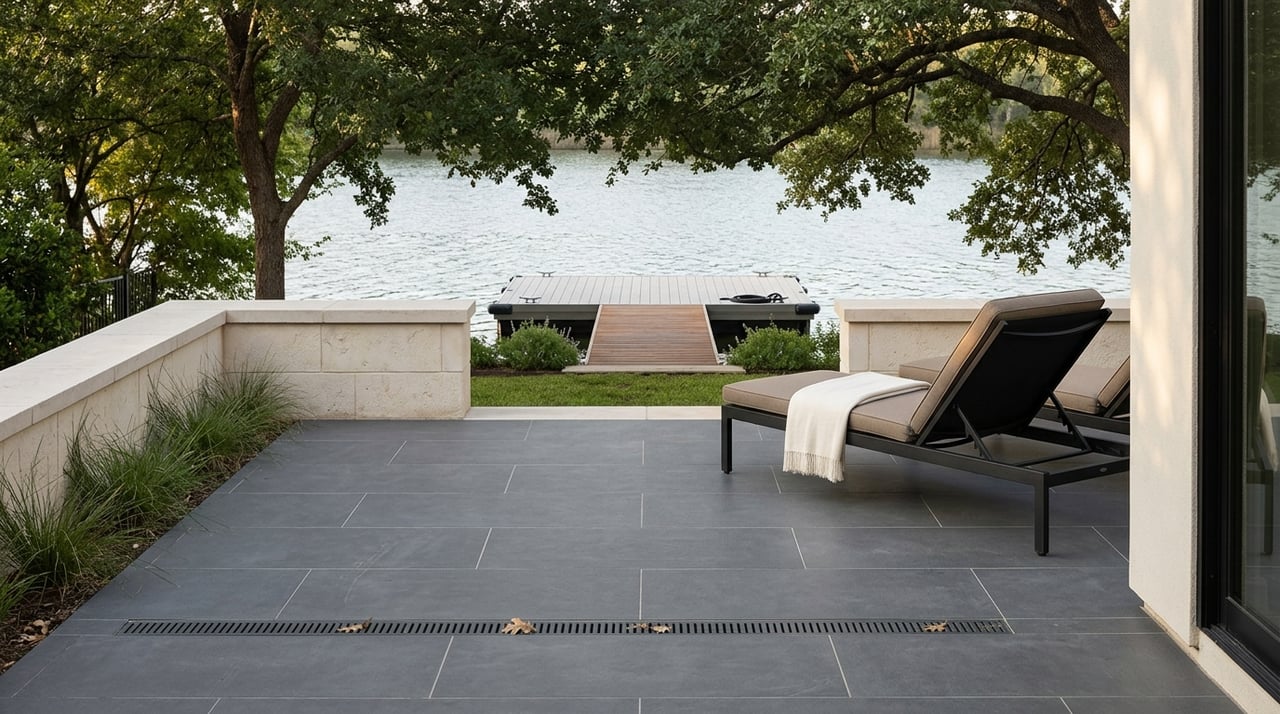
That means usable separation from neighbors, lot orientation, landscaping, and quiet outdoor space can all shape value. In practice, a home with a more secluded setting may deserve stronger pricing than another home of similar size with less privacy.
What a smart comp set looks like
For Rob Roy Estates, the most defensible pricing strategy starts with a tight group of recent closed sales. From there, each comp should be adjusted based on the features that matter most in this specific neighborhood.
A strong comp review should weigh:
- View quality and depth
- Lot size and usability
- Privacy buffer and setback
- Tree cover and orientation
- Pool and outdoor living spaces
- Interior condition
- Update level and finish quality
- Gate, guard, or patrol access where relevant
This kind of analysis is more useful than relying on a tax value or a portal estimate. Travis Central Appraisal District states that its mass appraisal process is designed to estimate market value for ad valorem tax purposes. That makes the county value important for taxation, but not a substitute for a listing strategy built around current buyer behavior and sold comparables.
Why overpricing is especially risky now
In a shifting market, many sellers feel tempted to start high and leave room to negotiate. In the luxury segment, that can backfire. Buyers in Austin are already seeing more inventory, more price reductions, and more negotiating power.
Redfin reported that more than half of Austin sellers cut price in February 2026, with an average cut of 9.1% or $54,685. Zillow’s 2025 luxury report also showed Austin as one of the few major metros where luxury home values declined year over year, and 22.2% of luxury listings took a price cut. That tells you high-end buyers are not blindly chasing listings. They are comparing options closely.
If your home launches too high, the first few weeks can slip away without the right traction. Once a listing starts to feel stale, buyers often assume there is a problem, even when the issue is simply price. In a selective market, protecting momentum is often just as important as protecting the headline number.
How presentation supports pricing power
Price and presentation work together. Even a well-priced home can underperform if it does not show clearly online or in person. In luxury real estate, buyers often form their first impression through photography, video, and the overall visual story of the listing.
The 2025 NAR staging report found that 83% of buyers’ agents said staging made it easier for buyers to visualize a property as a future home. The same report found that 60% said staging affected most buyers most of the time. Living rooms, primary bedrooms, and kitchens ranked among the most important spaces to stage.
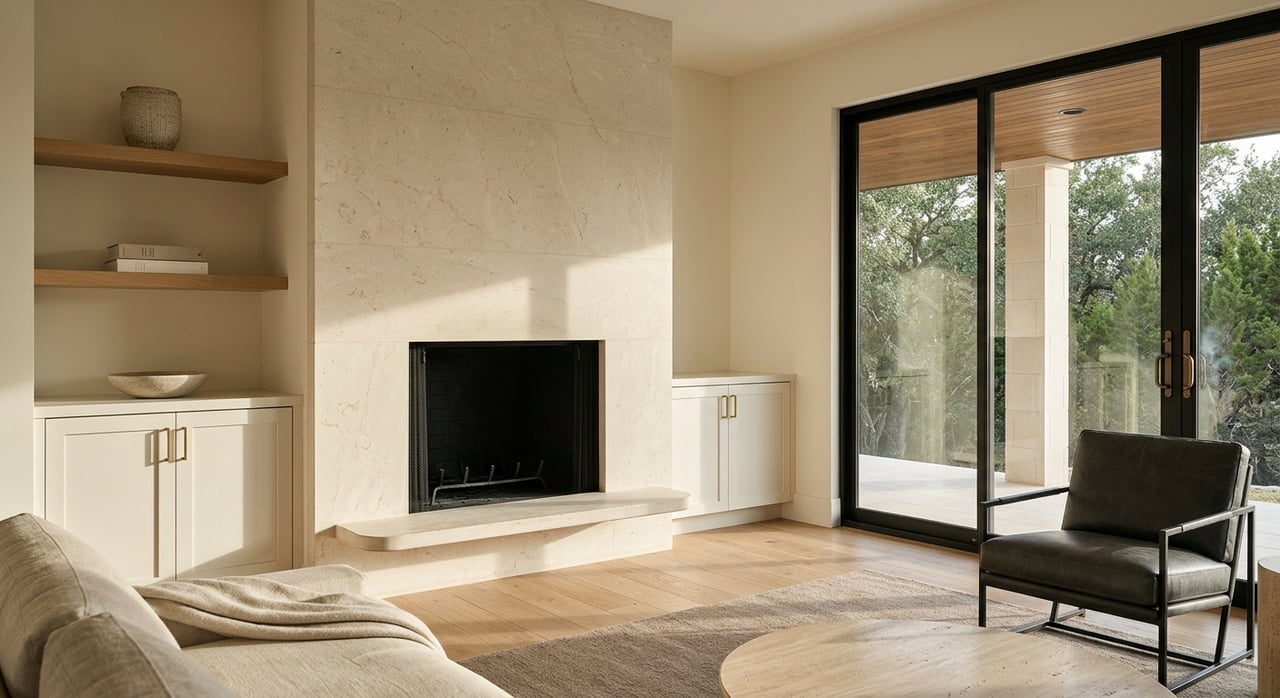
For Rob Roy Estates, that means your pricing strategy should include thoughtful preparation. Design-minded presentation can help buyers better understand the lifestyle your home offers, especially when views, indoor-outdoor flow, and architectural details are major selling points.
Focus on the updates buyers notice most
Not every pre-listing project deserves your time or money. NAR’s 2025 Remodeling Impact Report found that 46% of buyers are less willing to compromise on home condition. It also noted that painting and roofing were among the most commonly recommended pre-listing projects.
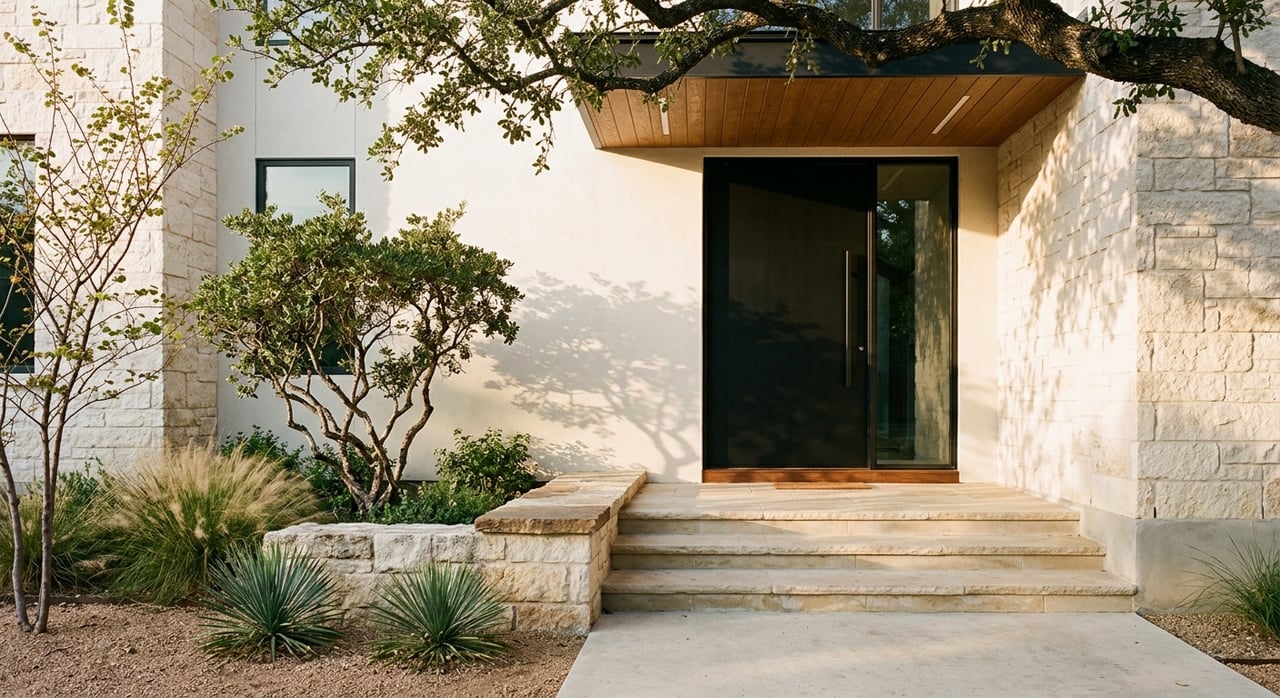
Zonda’s 2025 Cost vs. Value Report reached a similar conclusion. Exterior and entry-related projects tended to deliver the best returns, including garage door replacement, steel door replacement, and manufactured stone veneer. A minor kitchen remodel also performed well, while highly customized interior projects were generally less effective at resale.
That is an important pricing lesson. If your home needs work before listing, the best strategy is usually selective improvement, not a full reinvention. Clean condition, strong curb appeal, and polished core spaces often do more for market perception than expensive personal upgrades.
A practical pricing path for sellers
If you are preparing to sell in Rob Roy Estates, a clear process can help you avoid emotional pricing decisions. In this market, strategy matters more than wishful thinking.
Here is a practical framework:
Study recent closed sales first
Start with the most relevant sold properties, not just active listings or automated estimates.Adjust for site-specific value
Account for view quality, privacy, lot usability, outdoor living, and orientation.Compare condition honestly
Weigh your update level, deferred maintenance, and how your interiors show against competing homes.Prepare the home before launch
Focus on presentation, photography, and the rooms buyers notice most.Price for early-market response
In a buyer-leaning environment, the goal is to attract serious attention early, before the listing becomes stale.
What this means for Rob Roy sellers
The current market does not erase the value of a special property. It simply rewards precision more than optimism. In Rob Roy Estates, the homes that stand out are often the ones priced from evidence, prepared with care, and launched with a clear understanding of what buyers will pay for this homesite and this level of finish.
If you are weighing a sale, it helps to think less about what the market was and more about what today’s buyers are actually choosing. That shift in mindset can protect both your time and your result. For valuation disputes, a Texas-licensed appraiser is the right resource, and for HOA, deed restriction, or disclosure questions, you should speak with the appropriate attorney or tax professional.
If you are thinking about selling in Rob Roy Estates and want a pricing strategy built around current comps, presentation, and buyer behavior, The Drewett Group can help you map out the right next steps.
FAQs
How should you price a home in Rob Roy Estates in today’s market?
- You should start with recent closed sales and then adjust for view quality, privacy, lot characteristics, condition, outdoor living, and update level rather than relying on zip-code averages alone.
How much do views add to a Rob Roy Estates home value?
- Views can add meaningful value, but the premium is highly site-specific and should be supported by comparable sales with similar view corridors and quality.
Should you trust a Travis County tax value when pricing a Rob Roy Estates home?
- Travis Central Appraisal District values are used for ad valorem tax purposes, so they are not a substitute for a market-based listing strategy built from recent sold comps.
Which pre-listing updates matter most for a luxury home in 78733?
- Research suggests that clean condition, paint, roofing where needed, curb appeal improvements, and selective kitchen updates often help more than expensive custom renovations.
Why is overpricing risky for luxury homes in Austin right now?
- Austin is currently a buyer-leaning market with more sellers than buyers and frequent price cuts, so an overly ambitious launch price can reduce momentum and make a listing feel stale.
Does staging help when selling a home in Rob Roy Estates?
- Yes, staging can help buyers visualize the home more easily, and buyers’ agents report that living rooms, primary bedrooms, and kitchens are especially important spaces to prepare well.