If you have ever driven through Westlake Hills and wondered why one home feels like a low-slung 1960s retreat while another looks like a glassy hillside estate, the answer is simple: the land shapes the architecture. In West Lake Hills, steep terrain, mature trees, privacy, and long views all influence how homes are built, renovated, and expanded. If you are buying, selling, or simply learning the area, understanding these styles can help you better read the market and spot what makes a property distinctive. Let’s dive in.
Why Westlake Hills Homes Look So Different
West Lake Hills was founded in 1953, and its identity has long been tied to rugged terrain, dense foliage, privacy, and scenic views. That setting helps explain why the area does not feel architecturally uniform. Instead, you will often see older hillside homes, renovated originals, and newer custom builds sharing the same winding streets.
The city also regulates site work and vegetation closely. Permits are required for most vegetation removal, oak pruning is limited during the spring growing season, and single-family properties of 0.5 acre or more can have a maximum of 25% impervious cover. In practical terms, that means architecture here is not just about style. It is also about what the lot, trees, slope, and local rules will allow.
Mid-Century Modern Homes
One of the most recognizable styles in Westlake Hills is mid-century modern. These homes usually date to the mid-20th century and tend to feel low, horizontal, and connected to the site rather than formal or ornate. In this area, the style often shows up through post-and-beam construction, large glass walls, and a strong indoor-outdoor relationship.
In Westlake, these homes are rarely cookie-cutter examples. Many have been preserved and updated over time, with owners keeping original features like limestone fireplaces or structural beams while adding new wings, updated windows, or improved living spaces. The result is often a home that honors its original design while working better for modern life.
What To Notice In Mid-Century Homes
When you tour a mid-century home in Westlake Hills, look for a few defining traits:
- Long, low rooflines
- Broad windows or glass walls
- Strong connection to patios, decks, or views
- Floor plans that follow the slope of the lot
- Original materials blended with thoughtful updates
These homes often appeal to buyers who value architectural character and a home that feels rooted in the landscape.
Modern Ranch Homes
Modern Ranch homes are closely related to the mid-century story in West Lake Hills. A Travis County historic survey notes that many 1950s and 1960s Ranch and Modern Ranch homes in the hills west of Austin were designed to blend into the natural setting and open toward Hill Country views. That design logic is still easy to spot today.
Instead of emphasizing symmetry from the street, these homes often prioritize the backyard, the slope, and the outlook beyond the lot. You may find long footprints, simple forms, and layouts that feel practical and relaxed. In Westlake Hills, that can make a ranch home feel especially timeless.
Why Buyers Still Love Ranch Layouts
Modern Ranch homes tend to attract buyers who want a lower-slung profile and a more grounded feel. They can also offer renovation potential without losing the original scale that makes them fit the area so well.
For some buyers, the appeal is authenticity. For others, it is the way these homes often sit comfortably on the land without competing with it.
Hill Country Contemporary Homes
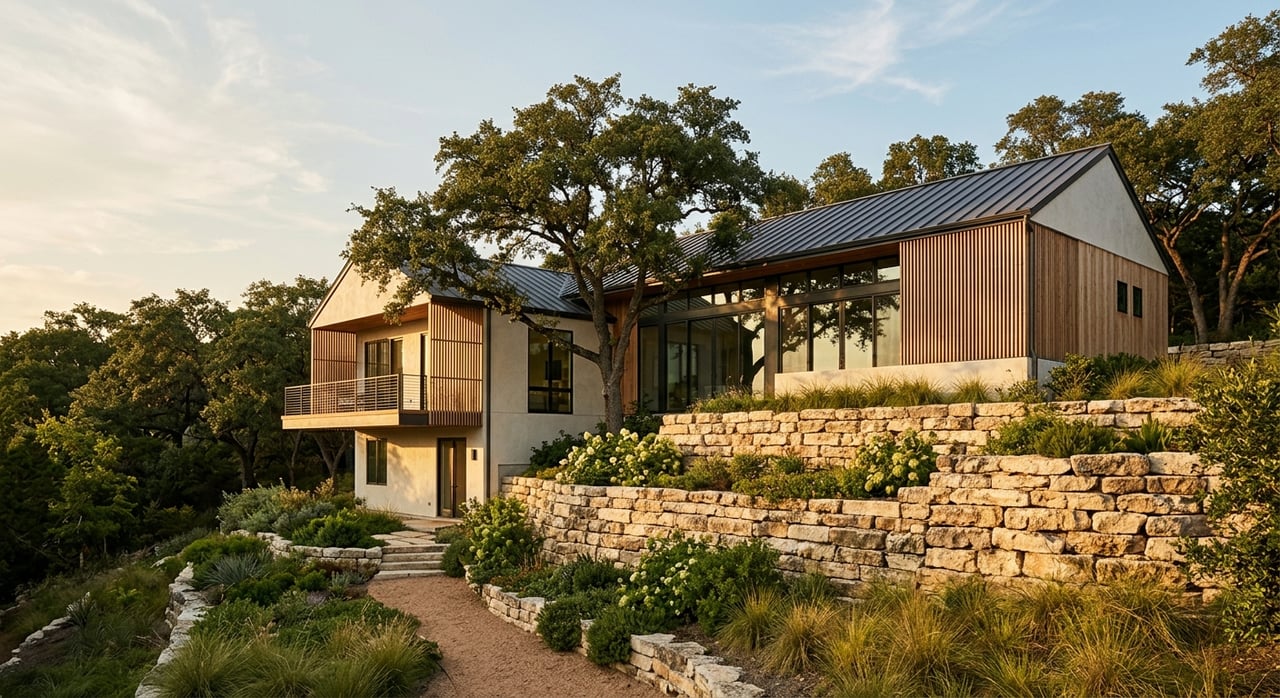
If there is one style that feels especially tied to the local setting, it is Hill Country contemporary. AIA Austin describes this approach as a regional design language that responds to topography, trees, sun, and wind while drawing on local materials and building methods. That description fits Westlake Hills particularly well.
These homes are often designed around the lot first. On a steep site, that may mean elevating the house above the tree canopy to capture views. On another property, it could mean separating the structure into volumes that step with the hillside rather than flattening the terrain.
Common Features Of Hill Country Contemporary
You will often see these elements in Westlake Hills Hill Country contemporary homes:
- Native or regional materials such as limestone and wood
- Large windows that frame treetop, canyon, or skyline views
- Clean lines with a warm, natural feel
- One-level or easy-living layouts shaped by the site
- Outdoor spaces that feel like extensions of the interior
This style tends to appeal to buyers who want a custom, site-sensitive home with strong natural light and easy indoor-outdoor flow.
Warm Modern Estates
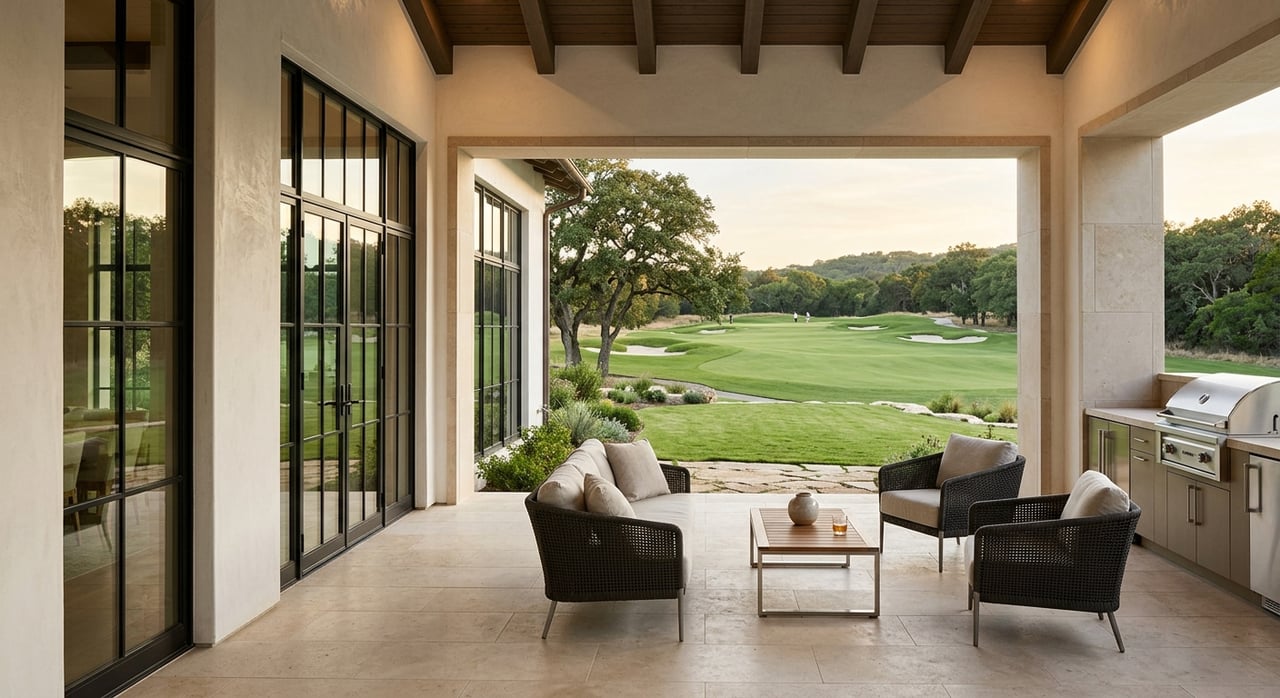
In Westlake Hills, you may also hear homes described as warm modern. That term is more market shorthand than a strict architectural category, but it is useful. It usually refers to contemporary homes with open plans, asymmetry, natural light, expansive glass, and a strong connection to the outdoors, softened by earthy materials and warmer finishes.
Instead of feeling stark or ultra-minimal, warm modern homes often use wood, stone, and a more relaxed palette to create a livable, inviting look. In a place like Westlake Hills, that softer approach makes sense. It complements the trees, hills, and natural setting rather than fighting against them.
What Sets Warm Modern Apart
A warm modern home may include:
- Open living spaces
- Large expanses of glass
- Wood and stone finishes
- Cleaner lines without a cold feel
- Seamless transitions to terraces, pools, or outdoor rooms
For buyers who want newer construction or a more current aesthetic, this style often strikes a comfortable balance between refinement and warmth.
Updated Traditional Homes
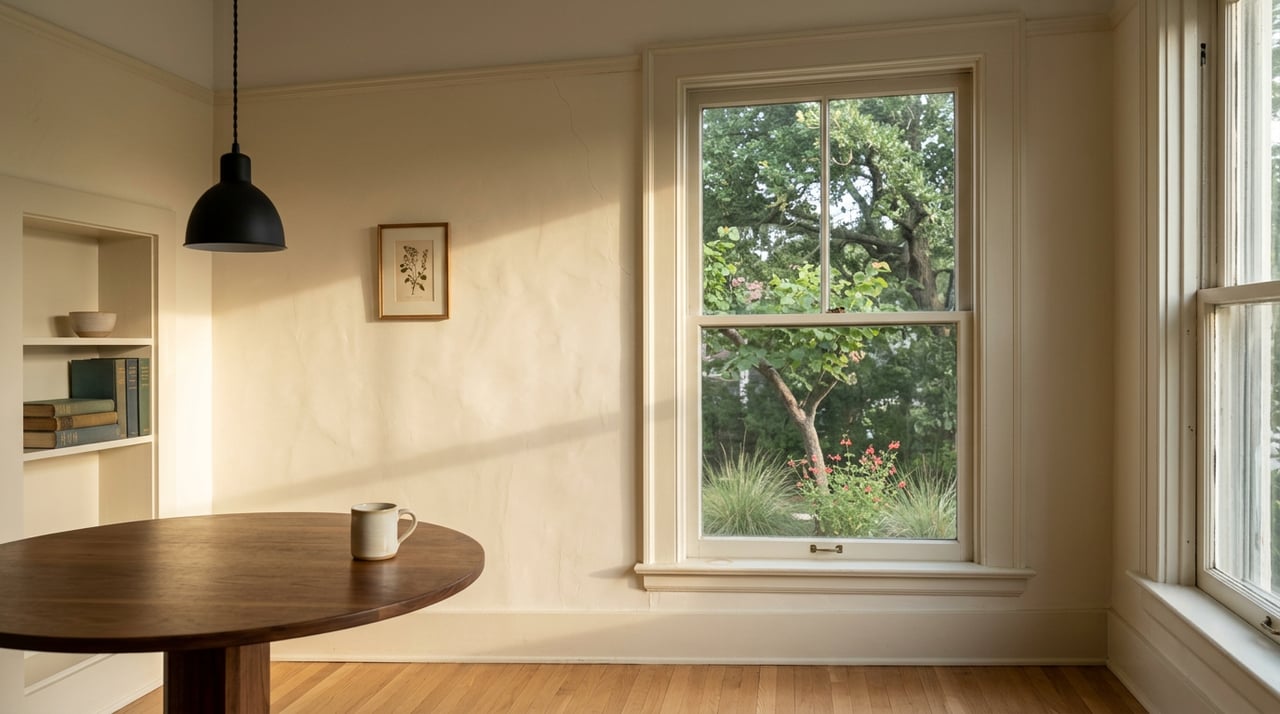
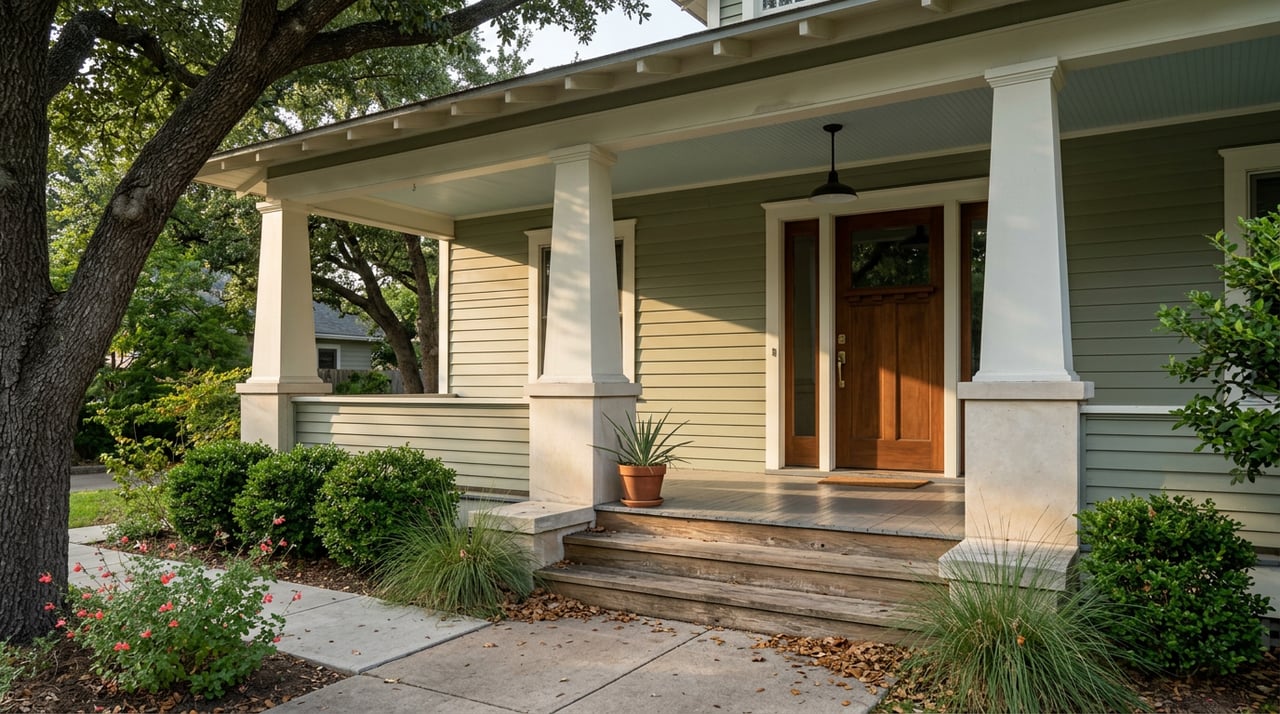
Not every standout home in Westlake Hills is modern. The area also has many traditional homes that have been carefully updated while keeping their original character. In these properties, the value often comes from how well the renovation respects the home’s existing bones while improving comfort, function, and finish.
This might include preserving charming original elements while opening living areas, improving kitchens and baths, or adding square footage in a way that still feels consistent with the home. In Westlake Hills, this category is less about one exact style and more about thoughtful modernization.
Why Updated Traditional Homes Matter
These homes often appeal to buyers who want familiar curb appeal with more current interiors. They can also be attractive to sellers because strong design updates may broaden buyer interest without erasing the home’s original identity.
In a market where architecture and setting matter so much, a well-renovated traditional home can stand out for its balance of comfort, character, and livability.
How The Land Shapes The Style
In West Lake Hills, architecture and topography are closely linked. The city’s own planning language points to rugged terrain, beautiful views, dense foliage, and privacy as core parts of the community identity. That is why so many homes are tucked into hillsides, elevated above tree lines, or positioned to frame a specific outlook.
This is also why two homes with similar square footage can feel very different in person. One may prioritize skyline views, while another leans into privacy and tree cover. One may spread across the site in a low profile, while another rises to meet the slope.
What Buyers Should Evaluate Beyond Style
In Westlake Hills, the smartest architectural questions are not only about appearance. They are also about what the lot can support over time. If you are considering a purchase, due diligence should include the site conditions that affect future changes, maintenance, and flexibility.
Key things to review include:
- Tree permits and vegetation rules
- Oak health and oak wilt concerns
- Remaining impervious cover on the lot
- Slope and drainage conditions
- Whether past additions or remodels used up the most flexible building area
The city also participates in wildfire preparedness planning, which means vegetation management and defensible-space considerations can play a role in how a property is maintained or improved.
Which Style May Fit You Best
In practical terms, your ideal style often comes down to how you want to live. Buyers who value original character and a lower profile are often drawn to mid-century and ranch homes. Buyers who want a more custom, site-driven design with bigger glazing and stronger indoor-outdoor flow may prefer Hill Country contemporary.
If you like a newer look that still feels inviting, warm modern may be the best fit. If you want a home with familiar architectural cues but updated interiors, a carefully renovated traditional property may offer the right balance. In Westlake Hills, design taste and maintenance tolerance usually go hand in hand.
When you understand how style, lot conditions, and local regulations work together, you can make more confident decisions. Whether you are buying a preserved original, evaluating a renovation opportunity, or preparing a home for sale, the architectural story matters here.
If you are exploring Westlake Hills and want guidance on the homes, lots, and design details that shape long-term value, The Drewett Group can help you navigate the market with local insight and a thoughtful approach.
FAQs
What architectural styles are common in Westlake Hills?
- Westlake Hills commonly includes mid-century modern, modern ranch, Hill Country contemporary, warm modern, and carefully updated traditional homes.
Why do Westlake Hills homes look so site-specific?
- West Lake Hills is defined by steep terrain, mature trees, privacy, and long views, so many homes are designed to respond directly to slope, canopy, sun, and outlook.
Are mid-century homes common in Westlake Hills?
- Yes. Travis County historic survey information notes many 1950s and 1960s Ranch and Modern Ranch homes in West Lake Hills, and many have been preserved or thoughtfully renovated.
What does Hill Country contemporary mean in Westlake Hills?
- In Westlake Hills, Hill Country contemporary usually describes homes that use regional materials and respond to topography, trees, light, wind, and views in a highly site-driven way.
What should buyers check before remodeling a Westlake Hills home?
- Buyers should review tree and vegetation rules, oak health concerns, impervious cover limits, slope and drainage conditions, and whether previous improvements reduced future building flexibility on the lot.